How Remote Bookkeeping Solutions for Europe Can Transform Your Business
In today’s digital economy, businesses across Europe are redefining how they manage their financial operations. Traditional, location-bound accounting models are rapidly being replaced by agile, technology-driven solutions. Among the most impactful of these innovations is remote bookkeeping.
For companies operating across European markets, remote bookkeeping is not just a cost-saving alternative—it is a strategic transformation tool that enhances efficiency, compliance, and scalability.
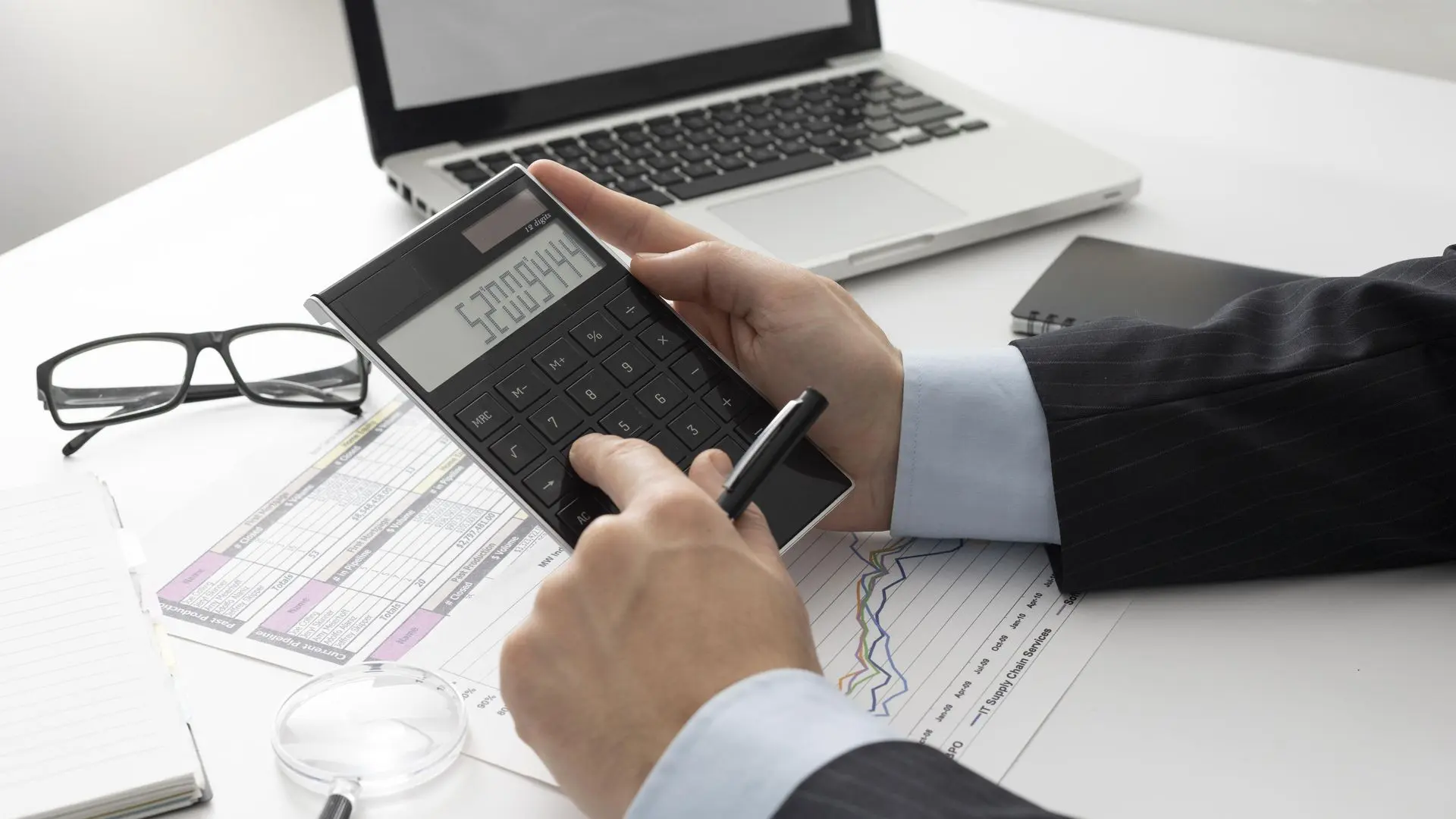
What Are Remote Bookkeeping Solutions?
Remote bookkeeping refers to managing a company’s financial records, transactions, and reporting processes virtually through secure cloud-based systems. Instead of maintaining an in-house bookkeeping department, businesses collaborate with professional bookkeepers who operate remotely using digital accounting platforms.
This model allows companies to access real-time financial data, streamline reporting, and maintain regulatory compliance without geographical constraints.
Why Remote Bookkeeping Is Gaining Momentum in Europe
Businesses operating in the Europe face unique financial complexities, including:
- Cross-border transactions
- Multi-currency accounting
- VAT compliance across EU member states
- Diverse regulatory requirements
- Data protection regulations under GDPR
Remote bookkeeping solutions are designed to handle these complexities efficiently through automation and specialized expertise.
Key Benefits of Remote Bookkeeping for European Businesses
- Cost Efficiency
- Access to Specialized Expertise
- Real-Time Financial Visibility
- Multi-Currency & Cross-Border Support
- Scalability for Growth
Compliance & Data Security
European businesses must comply with strict data protection standards, including GDPR requirements. Professional remote bookkeeping providers implement:
- Encrypted cloud systems
- Secure access controls
- Regular data backups
- Audit-ready documentation
These measures protect sensitive financial information while maintaining regulatory compliance.
Remote vs In-House Bookkeeping: A Strategic Shift
While traditional in-house bookkeeping offers direct oversight, it often lacks flexibility and specialized cross-border expertise. Remote bookkeeping, on the other hand, provides:
- Lower overhead costs
- Broader regulatory knowledge
- Advanced automation tools
- Reduced operational dependency on a single employee
For many European businesses, this shift enhances resilience and operational efficiency.
Industries That Benefit Most
Remote bookkeeping is particularly transformative for:
- E-commerce businesses operating across EU markets
- Technology startups
- Consulting firms with international clients
- Import/export companies
- Growing SMEs expanding into multiple European jurisdictions
Final Thoughts
Remote bookkeeping solutions are reshaping financial management across Europe. By combining technology, expertise, and flexibility, businesses can achieve:
- Greater financial transparency
- Improved compliance
- Optimized cash flow
- Reduced operational costs
- Enhanced scalability
In a rapidly evolving European business landscape, adopting remote bookkeeping is not merely a convenience—it is a competitive advantage.
If your organization is ready to modernize its financial processes and streamline cross-border operations, our remote bookkeeping experts are here to help you build a secure, scalable, and compliant financial framework tailored to your European growth strategy.